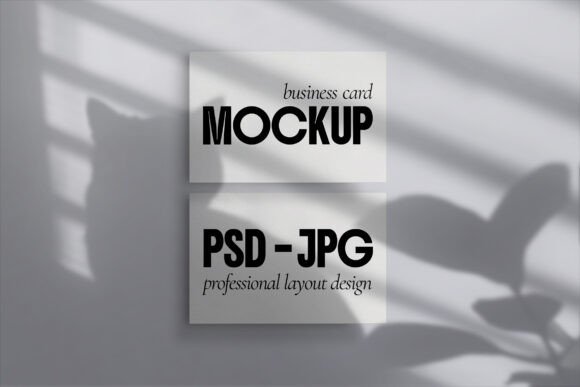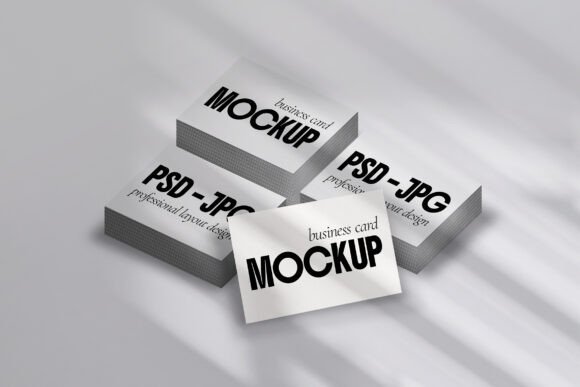
Contemporary Business Card Mockup
A contemporary business card mockup is a powerful tool for visualizing how your design will look in real life. It allows you to present your brand with sophistication and clarity, ensuring that your message stands out in a competitive market. Whether you're launching a new product, networking at an event, or updating your professional portfolio, a well-crafted mockup can make all the difference.
What Is a Contemporary Business Card Mockup?
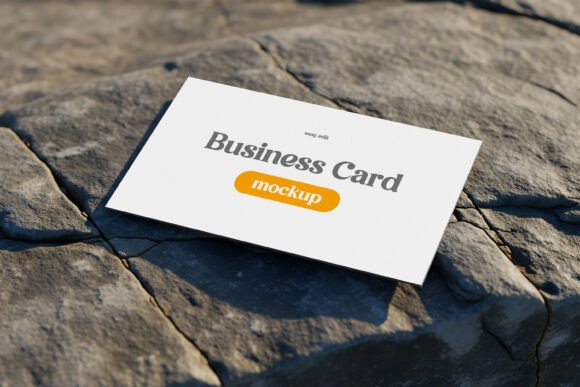
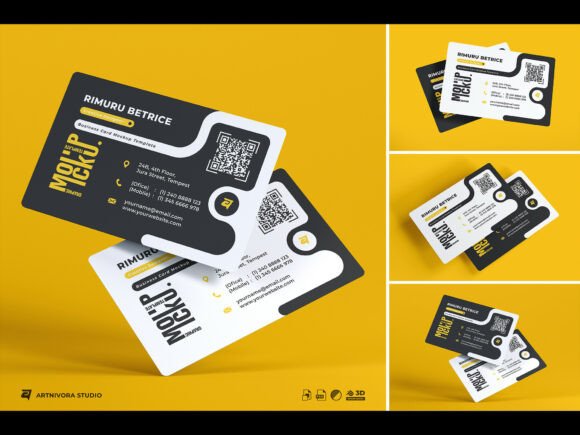
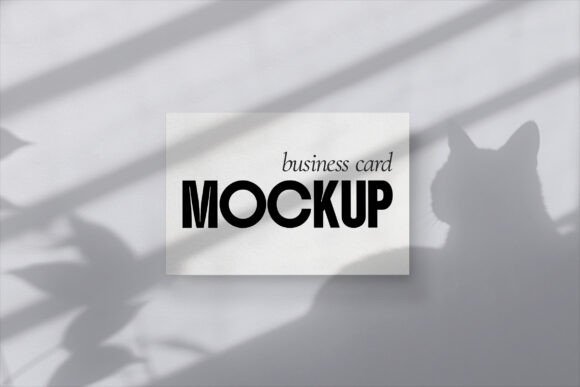
A contemporary business card mockup is a digital representation of a business card design. It showcases how your front and back layouts will appear when printed, including elements like typography, color schemes, and graphic details. This mockup often includes realistic lighting, shadows, and textures to give a lifelike impression of the final product.
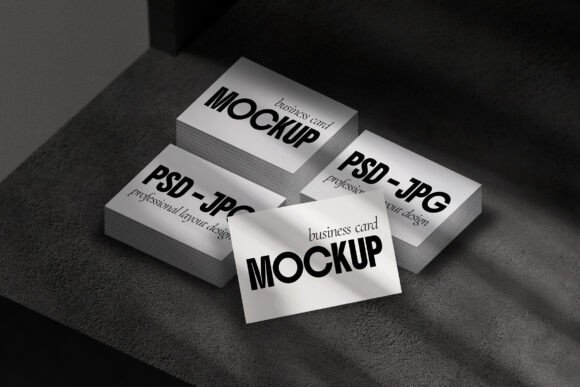
The template typically comes with a variety of files, such as a PSD and a JPG, allowing for easy customization and integration into different projects. With organized layers and smart objects, it offers flexibility for both beginners and experienced designers.
Why Different Audiences Care About It
Business card mockups are not one-size-fits-all. Their value varies depending on who is using them and what they hope to achieve. For instance, a small business owner might prioritize ease of use and cost-effectiveness, while a professional designer may focus on quality and creative flexibility.
For beginners, a mockup can be a learning tool, helping them understand how their designs translate into physical form. Experienced users, on the other hand, may appreciate the advanced features that allow for greater control over the final output. Educators can use mockups to teach students about branding and design principles, while marketers might leverage them to create compelling presentations for clients.
How Different Users Might Approach It
Creators and entrepreneurs often use mockups to test their brand identity before committing to a print run. They may evaluate the mockup based on how well it aligns with their overall vision and whether it meets the needs of their target audience. For example, a minimalist designer might prefer a clean layout with subtle textures, while a more creative type could opt for bold visuals and unique shapes.
Professionals in fields like marketing or sales might use the mockup to impress potential clients or partners. A polished, high-quality presentation can build trust and credibility, making the mockup an essential part of their workflow. Meanwhile, hobbyists or independent artists might use it to showcase their work in online portfolios or social media profiles.
Key Priorities When Evaluating a Mockup
When choosing a business card mockup, several factors should be considered. Ease of use is important for those who may not have extensive design experience. A user-friendly interface and clear instructions can save time and reduce frustration. Cost is another factor, especially for freelancers or small businesses working within a budget.
Quality and realism are crucial for professionals who need to present their work in a polished manner. A mockup with high-resolution images and accurate lighting effects can make a significant impact. Flexibility is also key—users should be able to customize both the front and back of the card without technical hurdles.
For educators, the learning value of a mockup can be just as important as its visual appeal. A well-structured template with clear layers can help students grasp design concepts more effectively. Similarly, for those focused on commercial value, the long-term usefulness of the mockup in various projects may influence their decision.
Practical Examples for Different Readers
Imagine a freelance graphic designer looking to update their portfolio. They might use the mockup to demonstrate their ability to create modern, professional designs. By showcasing a sleek, minimalist card, they can highlight their attention to detail and understanding of current trends.
A small business owner opening a new shop could use the mockup to preview their branding materials before printing. This allows them to make adjustments and ensure that their cards reflect their brand’s personality and values. For a teacher or educator, the mockup could serve as a teaching aid, illustrating how design choices affect the overall perception of a brand.
A blogger or content creator might use the mockup to create a visually appealing header for their website or social media. The ability to customize the design ensures that it aligns with their personal brand and resonates with their audience.
Choosing the Right Mockup for Your Needs
Before selecting a business card mockup, it's important to consider your specific goals and skill level. If you're new to design, look for templates that offer clear instructions and intuitive tools. For more experienced users, advanced features like smart objects and layered files can provide greater creative freedom.
Think about the purpose of your business card. Are you using it for networking, client meetings, or promotional events? Each use case may require a different style and level of detail. Additionally, consider the industry you're in—some sectors may benefit from more traditional designs, while others thrive on innovation and creativity.
Ultimately, the right mockup is one that aligns with your vision and supports your objectives. Whether you're a beginner or a seasoned professional, taking the time to evaluate your options can lead to better results and a more effective brand presence.